Why Not All Mobile Ovens Are the Same – What Makes the Tynker Structure Different?
From the outside, many ovens may look similar. The real difference is inside: heat storage, material quality, flue gas path and the overall stability of the baking system.
At first glance, many mobile ovens seem very similar. Dome shape, front door, chimney above.
That leads to the typical question: “If they look the same, do they also work the same?”
The short answer is no. The shape can be similar. The actual behaviour can be very different.
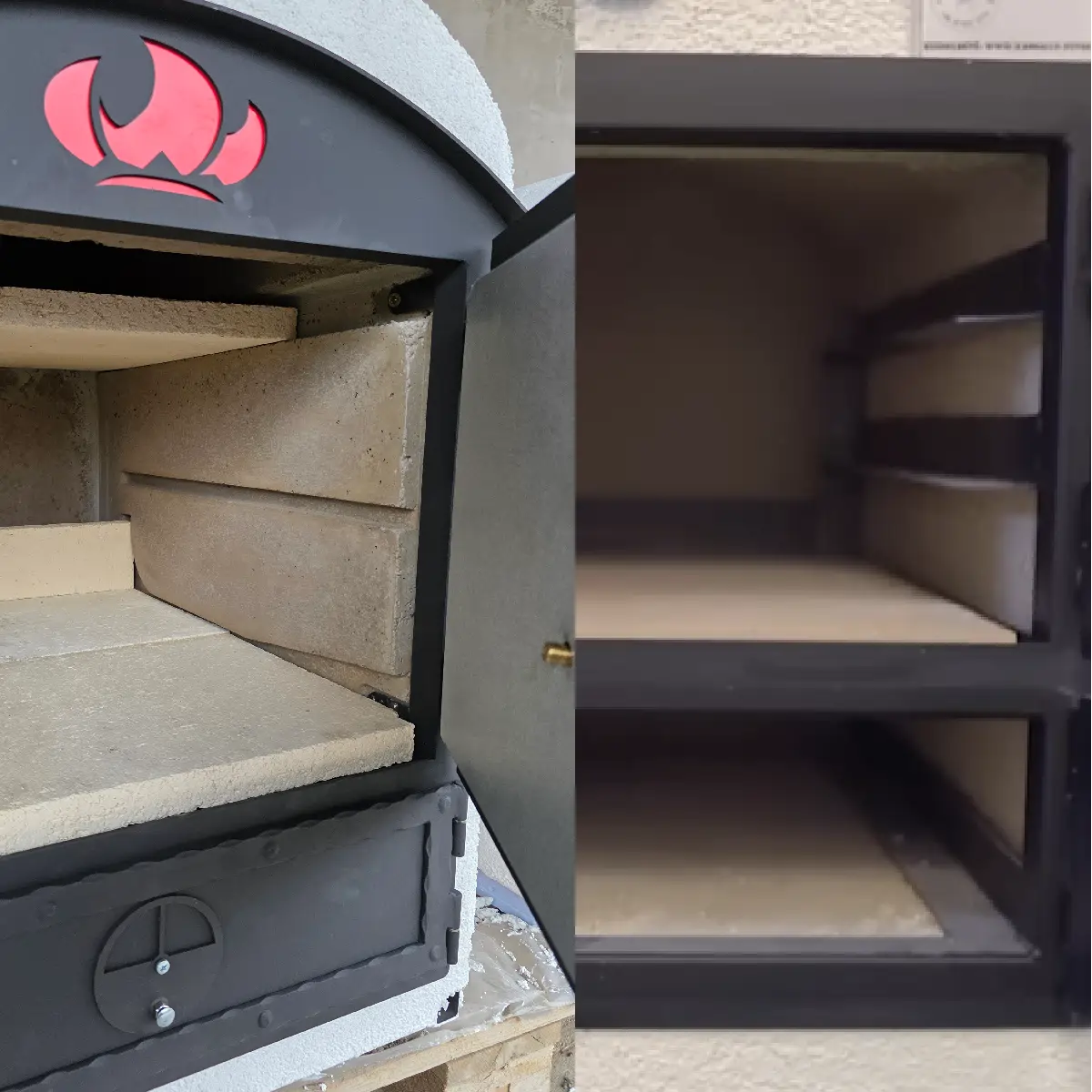
Image description: mobile ovens may look similar from the outside, but the real difference comes from the internal system, heat storage and flue gas path. Image title: Similar Shape Does Not Mean the Same Oven System. Image description detail: the image supports the idea that visible form alone says very little about actual oven behaviour in use.
It is not the shape that decides. It is the system.
In recent years, many mobile ovens have appeared on the market based on different lightweight building materials. There is nothing automatically wrong with that. The dome form itself can work, and many makers started from that direction.
A well-built mobile oven can genuinely perform well. But not every mobile oven behaves in the same way. The difference is not visible in a product photo. It becomes obvious on the second, third or tenth real baking session.
👉 If you want to understand why heat storage is the key, read this too:
How a Heat-Storage Wood-Fired Oven Works
Tynker is not a YTONG oven
This is worth saying clearly: Tynker is not a YTONG oven. It is not a quickly assembled solution made from lightweight building blocks, but a proprietary heat-storage structure based on fire-resistant materials and clay-concrete development logic.
This matters because many buyers automatically connect the phrase “mobile oven” with improvised, workshop-style solutions of mixed quality. Tynker is based on a different principle: not only the outer form matters, but how the structure behaves under heat load, how it stores heat, and how predictable it remains during baking.
What does that mean in practice?
- more stable temperature
- more even baking
- better heat retention
- more predictable behaviour
- a more serious and more durable system
Why are people often disappointed by cheaper mobile ovens?
It is not a single material name that makes an oven weak. The real problem starts when the system is missing the details that create true baking stability.
- no proper upper heat-storage layer
- no deliberately designed flue gas path
- weak or missing door and frame insulation
- no real allowance for thermal expansion
- more shape than real baking system
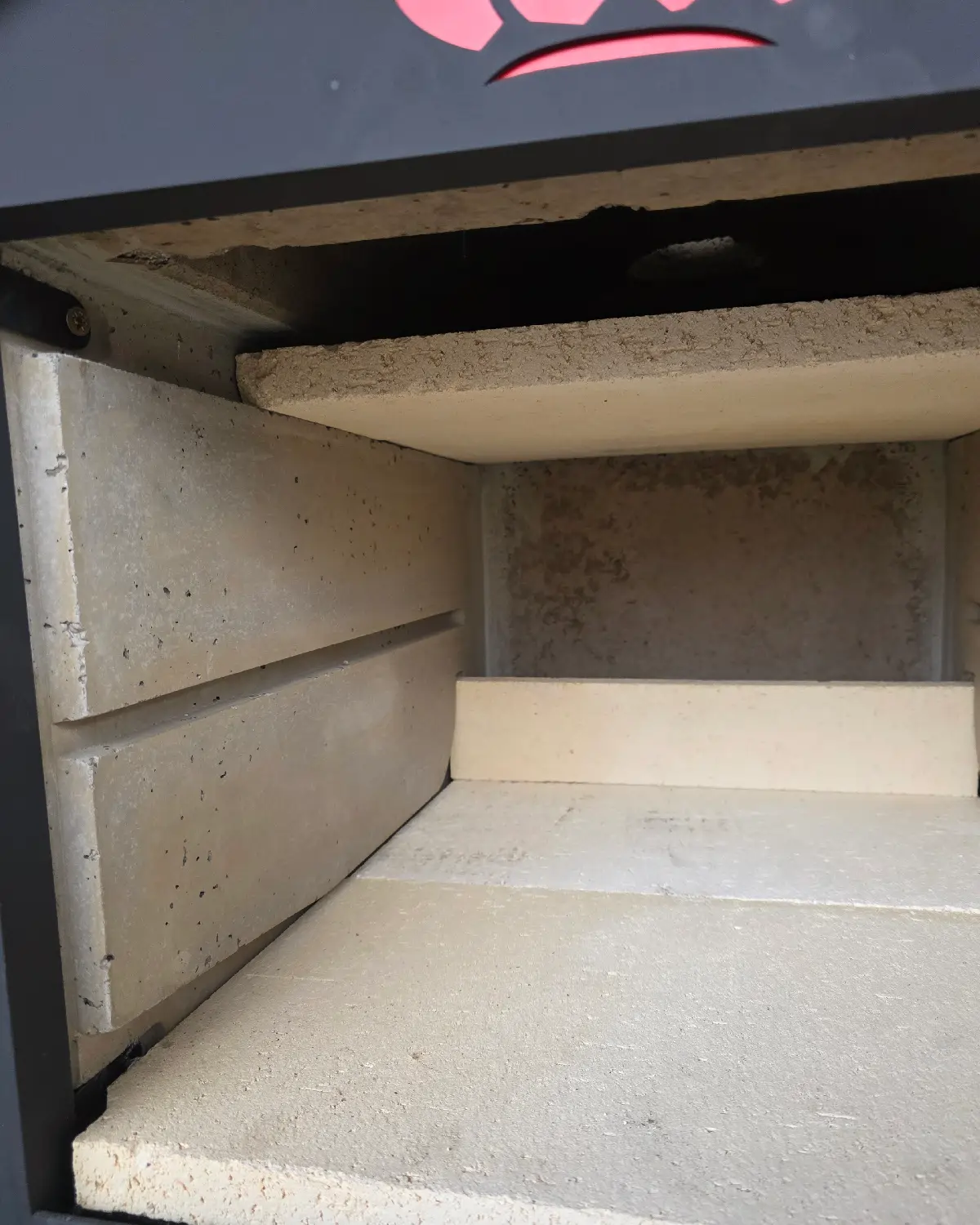
Image description: the difference between mobile ovens is not in the shape but in the concept, heat storage and internal system. Image title: The Difference Is in the Concept. Image description detail: the image reinforces the article’s central point that internal design matters more than visual similarity.
Why does the flue gas path matter so much?
Flue gas is not simply waste that should be pushed out as fast as possible. Flue gas is part of what heats the structure. If the heat does not pass properly through the dome and the internal mass, then the upper part does not warm through enough, the radiant heat is weaker, and baking becomes less even.
In a well-designed oven, heat first warms the thermal mass, and only after that moves toward the chimney. That is what creates balance in the system. The point is not a dramatic flame. The point is directed heat movement.
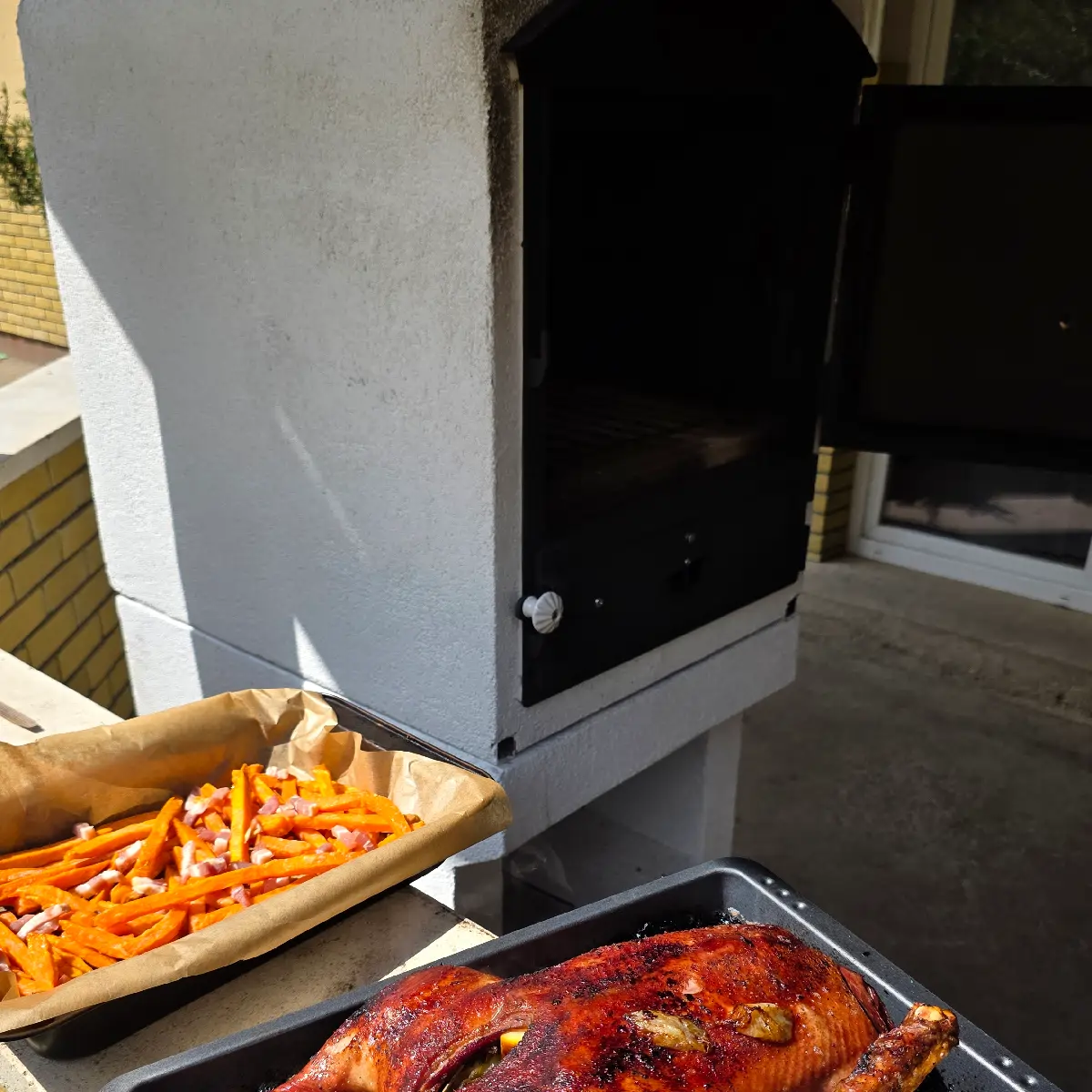
Image description: the real difference between mobile ovens becomes visible during use, not from a product photo. Image title: The Real Difference Shows in Use. Image description detail: the image underlines that oven quality reveals itself during repeated cooking sessions, not through appearance alone.
Everything is decided in the internal structure
From the outside, several mobile ovens may seem similar. The real difference comes from internal details:
- the type and thickness of the heat-storage layer
- the way heat is guided through the structure
- the chimney damper solution
- the inner insulation of the door
- the handling of material expansion under heat
If an oven is only a formal shell, it reacts to heat suddenly and nervously. If it is a true mobile heat-storage system, it behaves in a calmer and more predictable way.
👉 Related guides:
Price is not the main difference. The concept is.
Many people start by looking at the price tag. But the real difference is often in what is not immediately visible from the outside. One oven can be just a similar shape, while another is a genuinely thought-through mobile heat-storage system.
What should you ask before buying?
- What exactly is the structure made from?
- Are these real fire-resistant, heat-storage materials?
- How is the flue gas path designed?
- Is there internal door insulation?
- Does the structure account for thermal expansion?
- How long does it take to reach stable baking temperature?
If there is no precise answer to these questions, it is worth asking further.
🔥 Summary
If you are choosing a mobile wood-fired oven, do not judge only by shape. With Tynker, the difference starts with the fact that this is not a compromise YTONG-based solution, but a proprietary heat-storage clay-concrete system built from fire-resistant materials.